The Unexplored History of Gift Cards Through Time

Have you ever wondered how that colorful plastic card in your wallet became the go-to present for birthdays, holidays, and special occasions? Well, grab a cup of coffee and settle in, because the history of gift cards is more fascinating than you might think, especially when it comes to how Nigerians embraced this revolution!
All About Gift Cards: Where It All Began
Let's turn back the clock to understand the gift card history that changed how we give presents forever.
When Were Gift Cards Invented?
Contrary to popular belief, the concept of gift cards didn't start with flashy digital designs or smartphone apps. In fact, the earliest forms of gift cards date back to the late 1990s. However, the story begins much earlier than that.
Back in 1994, Neiman Marcus, a luxury department store in the United States, introduced what many consider to be the first modern gift card. But wait, there's more to this story! Before this innovation, retailers had been using paper gift certificates since the early 1900s. These certificates were essentially vouchers that customers could exchange for merchandise at specific stores.
The transition from paper certificates to plastic cards was revolutionary. Blockbuster Video launched its gift card program in 1995, and by 1996, major retailers were jumping on the bandwagon faster than you can say "happy shopping!"

A comparison visual showing vintage paper gift certificates from the 1900s alongside modern plastic gift card design.
How Gift Card Works: The Technical Magic
Now, you might be wondering, how does a gift card actually work? It's simpler than you think, yet brilliantly sophisticated.
When a gift card is purchased, it's activated at the point of sale with a specific monetary value. Each card contains a unique code, either on a magnetic strip, barcode, or embedded chip. This code is linked to a database that tracks the card's balance. Every time you make a purchase, the system deducts the amount from your available balance.
Moreover, modern gift cards come in two main varieties: closed-loop and open-loop. Closed-loop cards work only at specific retailers (like an iTunes gift card), while open-loop cards, backed by payment networks like Visa or Mastercard, can be used anywhere those networks are accepted.
Can Gift Cards Be Traced?
This is an important question, especially in today's digital age. Yes, gift cards can indeed be traced, but only to a certain extent. Retailers can track when and where a gift card was purchased, activated, and used. However, can you see what was purchased on a gift card? The answer depends on the retailer's policy. Some stores provide detailed transaction histories, while others only show the remaining balance and transaction amounts without specific item details.
The Evolution Across Decades: A Journey Through Time

An infographic timeline from 1994 to 2024, highlighting major milestones in gift card evolution.
The 1990s: The Plastic Revolution
As we mentioned earlier, the mid-1990s saw the birth of modern gift cards. Initially, retailers were hesitant. They worried about fraud, technical challenges, and whether customers would actually use them. Surprisingly, gift cards quickly became a retail phenomenon.
By 1999, experts estimated that gift card sales had reached approximately $40 billion in the United States alone. The convenience factor was undeniable; no more worrying about sizes, colors, or whether Aunt Susan would like that sweater!
The 2000s: Digital Transformation Begins
The new millennium brought incredible changes to the gift card industry. E-commerce giants like Amazon introduced digital gift cards that could be sent via email. Furthermore, the iTunes gift card history deserves special mention here. When Apple launched the iTunes Store in 2003, iTunes gift cards became cultural icons, allowing users to purchase music, apps, and eventually, movies and books.
Similarly, established retailers evolved their offerings. The Macy's gift card history shows how traditional department stores adapted to changing consumer preferences by offering both physical and digital options. Meanwhile, the eBay gift card history demonstrates how marketplace platforms created unique gift card ecosystems that gave recipients unprecedented choice.
The 2010s: Mobile and Global Expansion
This decade witnessed explosive growth in gift card popularity worldwide. Smartphones revolutionized everything, and gift cards were no exception. Apps allowed people to store, manage, and even trade gift cards digitally.
Additionally, this period marked when developing markets, particularly in Africa, began embracing gift cards in innovative ways.
How Gift Cards Came to Nigeria: A Love Story

Now, let's talk about something truly exciting: how Nigerians discovered and fell in love with gift cards!
- The Early Days (Mid-2000s)
Initially, gift cards in Nigeria were uncommon and primarily used by Nigerians living abroad who sent them to family members back home. The challenge, however, was that these international gift cards couldn't be used directly in Nigeria since most retailers didn't accept them.
Then came a brilliant realization: Nigerians could convert these gift cards into local currency! This insight sparked an entirely new industry.
- The Rise of Gift Card Trading (2010-2015)
Around 2010, tech-savvy Nigerians began recognizing the value trading opportunity. They realized that gift cards received from abroad could be sold to people who needed to make international purchases or payments. Consequently, informal trading networks emerged on social media platforms and online forums.
The process was simple yet transformative:
- Nigerians abroad would buy gift cards
- They'd send the codes to family in Nigeria
- Local traders would purchase these cards at favorable rates
- Traders would either use them or resell them
This grassroots movement laid the foundation for Nigeria's sophisticated gift card trading ecosystem.
- The Platform Revolution (2016-Present)
As demand grew, so did the need for trustworthy, efficient platforms. Companies like Presto emerged to professionalize the gift card trading industry in Nigeria. These platforms offered:
- Secure transactions
- Competitive rates
- Instant payments
- Customer protection
- Wide variety of accepted gift cards

Today, millions of Nigerians regularly trade gift cards for various purposes: from freelancers receiving international payments to everyday people converting gifts into usable cash. The industry has matured remarkably, with sophisticated fraud prevention systems and regulatory frameworks emerging.
How Many Gift Cards Do We Have?
The varieties available for you is astonishing!
You'd be surprised at how many gift cards exist today. Worldwide, there are literally thousands of different gift cards, ranging from major retailers to small local businesses. In Nigeria specifically, certain gift cards have become particularly popular due to their reliability and profitable rates.
Top 50 Common Types of Gift Cards You Can Sell in Nigeria

- Apple and iTunes Gift Card
- Google Play Gift Card
- Amazon Gift Card
- Steam Gift Card
- eBay Gift Card
- American Express Gift Card (Amex)
- Visa Gift Card
- Mastercard Gift Card
- Sephora Gift Card
- Nordstrom Gift Card
- Walmart Gift Card
- Target Gift Card
- Nike Gift Card
- Foot Locker Gift Card
- Vanilla Gift Card
- Xbox Gift Card
- PlayStation Gift Card
- Netflix Gift Card
- Spotify Gift Card
- Apple Store Gift Card
- Best Buy Gift Card
- Macy's Gift Card
- Home Depot Gift Card
- Razer Gold Gift Card
- Roblox Gift Card
- Fortnite Gift Card (V-Bucks)
- Kohl's Gift Card
- JCPenney Gift Card
- GameStop Gift Card
- AMC Theatres Gift Card
- Starbucks Gift Card
- Subway Gift Card
- Uber Gift Card
- Lyft Gift Card
- Airbnb Gift Card
- Hotels.com Gift Card
- Delta Airlines Gift Card
- Southwest Airlines Gift Card
- Adidas Gift Card
- Under Armour Gift Card
- Lululemon Gift Card
- Victoria's Secret Gift Card
- Bath & Body Works Gift Card
- Ulta Gift Card
- CVS Pharmacy Gift Card
- Walgreens Gift Card
- Chipotle Gift Card
- Panera Bread Gift Card
- Chili's Gift Card
- Olive Garden Gift Card
How Does Gift Card Look Like? Let’s Navigate The Visual Characteristics
Physical gift cards typically feature:
- The retailer's branding and logo
- A unique card number (usually 15-19 digits)
- A PIN or security code (often hidden under a scratch-off panel)
- Magnetic strip or barcode on the back
- Activation stickers or labels
- Expiration date (if applicable)
Digital gift cards, on the other hand, are delivered electronically and contain the same essential information displayed on-screen or in an email.
How Long Do Gift Cards Last?
Understanding How They Expire
Here's some good news: In many countries, including the United States, gift card regulations prohibit expiration dates shorter than five years from the purchase date. Some cards never expire at all!
However, how long gift cards last can vary depending on:
- The issuing country's regulations
- The type of gift card (retail vs. bank-issued)
- The specific retailer's policies
- Inactivity fees that might apply
In Nigeria's gift card trading market, the shelf life isn't about expiration but rather about how quickly you convert them to cash, and with platforms like Presto, that happens almost instantly!
Can You Buy Gift Cards Using Gift Cards?
This is a clever question! Generally, buying gift cards with gift cards is prohibited by most retailers. This policy exists primarily to prevent money laundering and fraud. However, there are some exceptions:
- Some stores may allow you to use a store gift card to purchase a different brand's gift card
- Bank-issued gift cards (Visa, Mastercard) can sometimes be used to buy other gift cards
- Promotional gift cards might have different rules
Always check the specific retailer's policy before attempting this transaction.

The Nigerian Gift Card Ecosystem Today
Fast forward to 2024, and Nigeria's gift card industry has become incredibly sophisticated. The country now ranks among the top markets globally for gift card trading, with millions of dollars exchanged monthly.
Several factors contributed to this growth:
1. Remote Work and Freelancing
As more Nigerians work for international clients, gift cards have become a convenient payment method that bypasses complex international banking restrictions.
2. Diaspora Connections
Nigerians abroad regularly send gift cards to family members, who then convert them to local currency for everyday expenses.
3. E-commerce Growth
The rise of online shopping created demand for international gift cards that could be used on global platforms.
4. Currency Flexibility
Gift cards offer a way to hold value in foreign currencies, which appeals to many Nigerians navigating currency fluctuations.
5. Trusted Platforms
Companies like Presto have built trust through consistent service, fair rates, and security measures, making the process mainstream and accessible.
Most Popular Gift Card Services in Nigeria
Exploring Their Different Histories and Paths
Let's examine how some of Nigeria’s popular gift card services developed differently:
1. iTunes/Apple Gift Cards
Apple's gift card journey began with iTunes cards specifically for music purchases. Over time, they evolved to cover the entire Apple ecosystem: apps, games, music, movies, iCloud storage, and more. Today, Apple simply calls them "Apple Gift Cards," reflecting their universal applicability across Apple services.
2. Amazon Gift Cards
Amazon entered the gift card market relatively early in the e-commerce game. Their cards became popular because they offered access to millions of products. Amazon also pioneered the "email gift card" concept, making it incredibly easy to send last-minute gifts.
3. Steam Gift Cards
Valve's Steam platform created gift cards specifically for gamers. These cards fund digital game purchases, in-game items, and community features. Their popularity in Nigeria surged with the country's growing gaming community.
4. eBay Gift Cards
eBay's gift card history is unique because it serves a marketplace rather than a single retailer. This gives recipients incredible flexibility in choosing from millions of sellers and product categories.
Why Gift Cards Matter to Everyday Nigerians
Beyond the technical aspects and history, it's important to understand the human impact. For many Nigerians, gift cards represent:
- Financial inclusion: Access to international commerce without traditional banking barriers
- Income opportunities: A legitimate way to earn money through trading
- Connection: A bridge between Nigerians abroad and family at home
- Flexibility: The freedom to convert gifts into what you actually need
- Empowerment: Control over international payments for freelancers and entrepreneurs
Platforms like Presto have become essential financial tools, helping thousands of Nigerians navigate the global economy from their smartphones.
The Future of Gift Cards in Nigeria

What does the future hold? Based on current trends, we can expect:
1. Increased Integration
Gift cards will likely integrate more seamlessly with cryptocurrency and blockchain technology, offering enhanced security and traceability.
2. More Local Options
Nigerian retailers are beginning to issue their own gift cards, creating a domestic gift card ecosystem alongside the international trading market.
3. Enhanced Security
As the industry matures, expect even more sophisticated fraud prevention and verification systems.
4. Regulatory Evolution
Government oversight will likely increase, bringing more structure and consumer protection to the market.
5. Instant Conversion Technology
Platforms will continue improving speed and convenience, making gift card trading even more accessible.
Some Frequently Asked Questions
1. When and how were gift cards first introduced to the market?
Gift cards were first introduced in the modern form by Neiman Marcus in 1994, followed by Blockbuster Video in 1995. However, the concept evolved from paper gift certificates that had existed since the early 1900s. The transition from paper to plastic cards revolutionized the industry by adding security features, easier tracking, and a more premium feel that made them desirable as gifts.
2. How has the gift card industry evolved over the decades?
The gift card industry has undergone a remarkable transformation since the 1990s. Initially, they were simple plastic cards used at single retailers. Throughout the 2000s, digital delivery became possible, and major brands like Apple and Amazon created ecosystem-specific cards. The 2010s brought mobile integration, allowing people to store and manage cards digitally. Today, gift cards have evolved into a global trading commodity, particularly in markets like Nigeria, where they serve as alternative payment methods and currency exchange tools.
3. What are the earliest forms of gift cards used before digital versions?
Before digital gift cards existed, retailers used paper gift certificates dating back to the early 1900s. These were essentially fancy vouchers that customers could exchange for merchandise. Department stores were among the first to popularize this concept. In the 1930s through 1980s, these paper certificates became common holiday gifts. The major limitation was that they were easily lost, damaged, or forged, which eventually led to the development of more secure plastic card alternatives with magnetic strips and unique identification numbers.
4. How do popular gift card services differ in their history and development?
Different gift card services evolved based on their industries and purposes. Retail giants like Walmart and Target developed gift cards to drive in-store traffic and build customer loyalty. Tech companies like Apple and Google created gift cards to facilitate digital content purchases within their ecosystems. Gaming platforms like Steam and Xbox designed cards specifically for their gaming communities. Meanwhile, financial institutions developed open-loop cards (Visa, Mastercard gift cards) that work anywhere, functioning more like prepaid debit cards. Each type addressed specific market needs, resulting in the diverse gift card landscape we see today.
5. What is the best platform to trade gift cards in Nigeria?
Presto is widely recognized as one of Nigeria's most reliable platforms for trading gift cards. It offers competitive rates, instant payment, strong security measures, and excellent customer service. The platform supports a wide variety of gift cards and has built a reputation for trustworthiness in an industry where security is paramount.
6. Can gift cards be used internationally?
This depends on the type of gift card. Closed-loop cards (specific to one retailer) can typically only be used in the country where they were issued, though some major brands honor them internationally. Open-loop cards (Visa, Mastercard, Amex) can often be used internationally wherever those payment networks are accepted. Digital gift cards for global services like Netflix, Spotify, or iTunes can generally be redeemed internationally, though content availability may vary by region.
7. Are gift cards safe from fraud?
While gift cards have security features, they aren't completely immune to fraud. Common scams include phishing attempts to steal card numbers, fake cards, and already-used cards being sold. However, reputable trading platforms like Presto employ verification systems to minimize fraud risk. When buying or trading gift cards, always use trusted platforms, never share card details through unsecured channels, and verify the card's balance before completing transactions.
8. Why do gift cards have different trading rates in Nigeria?
Gift card trading rates in Nigeria vary based on several factors: demand for specific cards, ease of redemption, fraud risk associated with particular brands, current market liquidity, and the card's denomination. Popular, easily verifiable cards like iTunes and Amazon typically command better rates. Additionally, rates fluctuate based on market conditions, similar to currency exchange rates.
9. How quickly can I convert my gift card to cash in Nigeria?
With modern platforms like Presto, gift card conversion can happen within minutes. After uploading your card details and verification, funds are typically transferred to your bank account almost instantly. This speed has made gift card trading incredibly attractive for Nigerians who need quick access to cash or who receive gift cards as payment for services.
10. Do gift cards lose value over time?
In terms of face value, properly maintained gift cards generally don't lose value before their expiration date. However, in Nigeria's trading market, a card's exchange rate may fluctuate based on market conditions. Some cards may have inactivity fees if unused for extended periods (typically 12+ months), which can reduce the balance. Always check the specific card's terms and consider trading sooner rather than later to get optimal rates.
11. Can businesses in Nigeria issue their own gift cards?
Yes, Nigerian businesses can issue their own gift cards, and we're seeing gradual growth in this area. Local retailers, restaurants, and service providers are beginning to adopt gift card programs to build customer loyalty and increase sales. The infrastructure for creating and managing gift card systems is becoming more accessible, though the market is still dominated by international gift cards that Nigerians trade rather than use directly.
12. What should I do if my gift card doesn't work?
If your gift card doesn't work, first check that it's been properly activated and hasn't expired. Verify you're entering the code correctly, including any dashes or spaces as shown on the card. Contact the issuing retailer's customer service for assistance; they can help you check the card's status and balance. If you purchased the card from a third party or trading platform, contact them immediately. Reputable platforms like Presto have customer protection policies to handle such situations.
Conclusion: The Gift That Keeps on Giving
The history of gift cards is far more than a simple retail innovation. It's a story of technological evolution, global commerce, and financial inclusion. From those first plastic cards in American department stores to the sophisticated digital trading platforms serving millions of Nigerians today, gift cards have proven to be remarkably adaptable.
For Nigerians specifically, gift cards represent opportunity, connection, and economic participation in the global marketplace. Whether you're a freelancer receiving payment, a student getting support from family abroad, or simply someone who received a gift card and needs cash, platforms like Presto have made the process secure, fast, and accessible.
As we look toward the future, one thing is clear: gift cards will continue evolving, and Nigeria will undoubtedly remain at the forefront of innovative ways to use them. The gift card revolution is far from over: in fact, it's just getting started!
Ready to trade your gift cards securely and get the best rates? Visit Presto today and experience Nigeria's most trusted gift card trading platform!
Disclaimer: Gift card trading rates fluctuate based on market conditions. Always verify current rates and terms before completing transactions. Use only reputable platforms when buying and redeeming to ensure security and fair pricing.

Author's name
Mariam Odusola
Mariam is a content writer and creator at Presto HQ with 2 years of experience using her copy to convert leads to customers for Saas and fintech companies. She enjoys reading and applying for the newest opportunity that finds her.
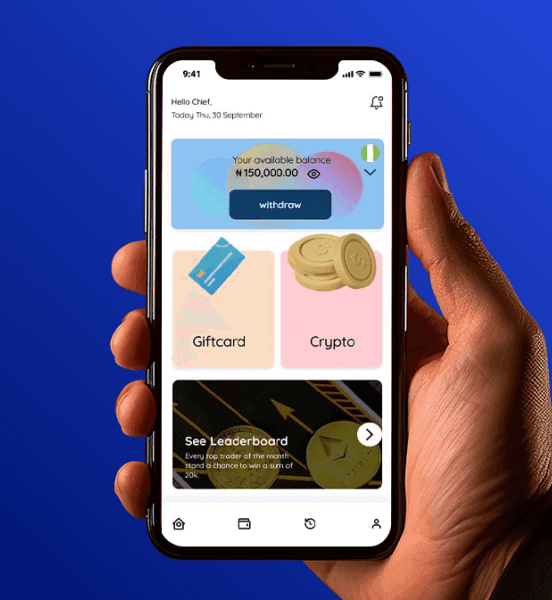
Download the Presto App now!
Start selling and making money on the powerful app that thousands of Nigerians trust with their cash.



Nigeria’s #1 platform to trade your gift cards and cryptocurrencies in 50+ countries.