A Beginner's Guide to Crypto Trading for Profit in 2026

Trying to trade crypto because you saw an ad on Instagram or your favourite influencer cashing out is the easiest way to lose all your savings. Crypto trading is not a game of buying when it dips and selling when it rises.
It requires months of strategic trading, learning, losing, and finally reaching a point where you see yourself losing a little less frequently. Crypto is highly volatile, and if you need to make money trading crypto for profit in 2026, this guide will answer your questions.
You'll learn what cryptocurrency is, whether or not you can trade crypto in Nigeria, how you can start trading, learning platforms to consider, and how to manage your risk so you don't confuse FOMO with strategy. Read on to learn practical steps you can take today to trade smarter and protect your money.
What is cryptocurrency?
When you think of cryptocurrency, think of money without a bank, secured instead by thousands of computers around the world. The crypto blockchain is like a secure server that tracks who owns what, and once something is added to it, it remains permanent.
This is why sending cryptocurrency can be tricky, because unlike banks, if you send crypto to a wallet address with just one letter difference, you've lost the money forever!
People use crypto as an option to trade their money, which has now been converted into crypto coins in the blockchain, to perform transactions. The first widely adopted cryptocurrency was Bitcoin, which was introduced by Satoshi Nakamoto and described in the original Bitcoin whitepaper.
Is Crypto Legal in Nigeria?
2021 was a year of change for millions of Nigerians. The CBN suddenly placed a crypto ban and fined some companies millions of Naira for non-compliance. As of then, 32% of participating Nigerians traded crypto with at least $400 million in trading volume, according to Statista.
Crypto trading platforms like Binance were restricted in Nigeria, and some executives were arrested for crypto fraud. But all that has passed, and for a beginner looking to delve right into trading cryptocurrencies, crypto is legal; however, it is just regulated under the Investment and Securities Act 2025.
This Act regulates anything related to digital assets and securities trading today in Nigeria.
You won't have any problems so long as you comply with the provisions of the act. Now platforms like Presto HQ, Quidax and Roqqu are permitted to trade digital assets without restriction in Nigeria.
How to Start Crypto Trading as a Beginner
Here are some steps to take to maximise your profits as a beginner trader so you don't end up losing your investments:
1. Understand How Crypto Works First
Before buying any coin, understand the basics:
- What is a blockchain?
- What is a wallet?
- What is self-custody?
- How do crypto exchanges work?
- Why do prices move?
Beginner-friendly resources include:
- Educational Platforms like Binance Academy and Cryptocurrency Education
- YouTube Educators like Coin Bureau, Andreas M. Antonopoulos, Benjamin Cowen, and Jameson Lopp
- Books like Mastering Bitcoin, Cryptocurrency Investing For Dummies and The Bitcoin Standard
- Podcasts like Unchained and Bankless are also great for learning on the go. (Source: Reddit)
Pro Tip: Start simple. Don't jump into "Which coin will make me a millionaire?" before understanding wallets and risk.
2. Choose a Verified Exchange
Crypto markets operate 24/7, which means you can trade anytime, unlike stock markets that close at fixed times. To begin trading:
- Create an account on a reputable exchange like the Presto App
- Complete your identity verification (KYC)
- Deposit funds in your crypto wallet. Start with as little as $10
- You are now ready to buy your first digital asset
Quick Tip: Do your research on the exchange to ensure it has a strong security protocol and a clear fee structure so you don't lose your money to gas fees (transaction costs paid in cryptocurrency to secure or verify your transactions on a blockchain).
3. Start Small (Seriously)
One of the most common beginner questions is, “How much money do I need to start buying crypto?" The answer: You can start with as little as $10–$50. You should not start trading at the beginning to cash out massively; rather, build your portfolio slowly but surely.
Starting small helps you:
- Understand volatility
- Practise placing trades
- Learn emotional discipline
- Avoid panic buy or sell decisions
Crypto becomes gambling when you're guessing. It becomes investing when you understand what you're doing.
4. Choose Your Approach
There are three common ways beginners invest in crypto:
- Day trading – Buying and selling within the same day
- Swing trading – Holding for days or weeks
- Long-term investing (HODLing) – Holding assets like Bitcoin or Ethereum for years
If you're new, long-term investing is usually less stressful than active trading.
5. Focus on Risk Management
Before thinking about profits, think about protection.
- Never invest money you can't afford to lose
- Don't go "all in" on one coin
- Learn about stop-losses (automated sell orders that limit your losses)
- Store long-term holdings securely
- Enable two-factor authentication (2FA) on all accounts
- Be aware of phishing scams and fake websites
A balanced approach, including stocks and stablecoins alongside other altcoins, will mitigate your overall risk.
Common Mistakes to Avoid
- FOMO Trading: Buying because everyone else is buying usually means you're buying at the peak, which leaves you with little profit or sometimes losses. Imagine purchasing bitcoin at its high in October for $126,000.
- Ignoring Security: Not using 2FA or storing all funds on exchanges is asking for trouble.
- Overtrading: Every trade costs fees. More trades don't always mean more profit.
- Chasing Pumps: If a coin has already gone up 500%, you're probably late to the party.
- Ignoring Taxes: Keep records of your trades. Tax authorities are increasingly monitoring crypto transactions. The 2026 Tax Act has included income from crypto as one of its taxable incomes.
Can Crypto Make You a Millionaire?
A major fact about digital assets is that early adopters often saw a higher return on investments. When Bitcoin was first launched, users made money from securing transactions by other users on the blockchain in exchange for Bitcoin. The same applies to the Pi coin.
However, expecting to be a guaranteed millionaire is unrealistic. Today the market is larger and more competitive; compounding disciplined gains over years beats chasing "get rich quick" coins.
Set realistic expectations and only part with money you wouldn't feel affected by on speculative bets.

How To Convert Your Crypto To Naira
Converting your cryptocurrency to naira is the easiest thing to do at the moment, with many platforms like Presto HQ available to offer you fast, seamless transactions at the best rates.
Key Terms You Should Know
- FOMO: Fear Of Missing Out – the anxiety that drives impulsive buying
- HODLing: Holding onto your crypto long-term (originated from a misspelling of "hold")
- Altcoins: Any cryptocurrency other than Bitcoin
- Stablecoins: Cryptocurrencies pegged to stable assets like the US dollar
- Gas Fees: Transaction costs paid to process operations on a blockchain
- Stop-Loss: An automated order that sells your asset if it drops to a certain price
Frequently Asked Questions
Q: How much money do I need to start trading crypto?
A: You can start with as little as $10–$50. Start small to learn without risking significant capital.
Q: Is crypto trading legal in Nigeria?
A: Yes, crypto trading is legal in Nigeria and regulated under the Investment and Securities Act 2025.
Q: Which cryptocurrency should I buy first?
A: Most beginners start with Bitcoin or Ethereum, as they're the most established. Do your own research before investing.
Q: How do I keep my crypto safe?
A: Use strong passwords, enable 2FA, consider hardware wallets for large amounts, and never share your private keys.
Q: Do I need to pay taxes on crypto in Nigeria?
A: Keep records of all transactions. Consult with a tax professional familiar with cryptocurrency regulations in Nigeria.
Conclusion
Trading crypto in 2026 requires discipline, not hype or purchasing courses sold by influencers online. You need to be willing to play the long game. Learn the basics, secure your keys, manage your risk, don't spend more than you can part with, and keep government regulations in mind.
Start small, measure your results, and iterate. The crypto market rewards patience and education, not impulse and emotion.
Ready to start your crypto journey? Begin with education, choose a verified Nigerian exchange like Presto HQ, and remember: only invest what you can afford to lose.

Author's name
Mariam Odusola
Mariam is a content writer and creator at Presto HQ with 2 years of experience using her copy to convert leads to customers for Saas and fintech companies. She enjoys reading and applying for the newest opportunity that finds her.
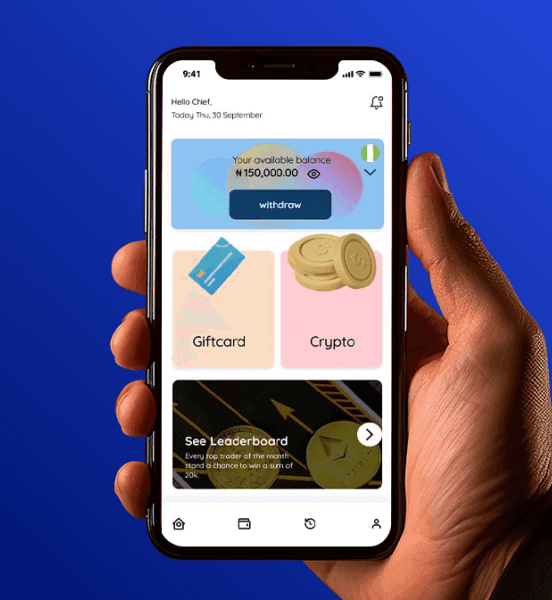
Download the Presto App now!
Start selling and making money on the powerful app that thousands of Nigerians trust with their cash.



Nigeria’s #1 platform to trade your gift cards and cryptocurrencies in 50+ countries.